Here’s Why She’s Right
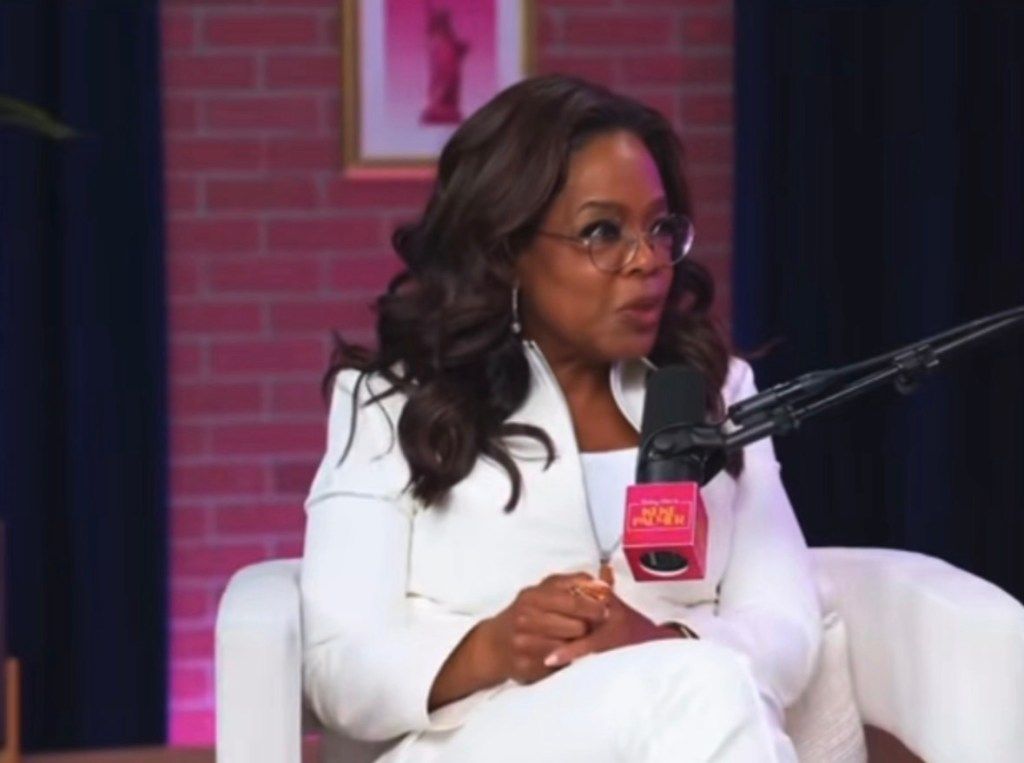
If you’ve scrolled social media this week, you’ve probably seen the clip: Oprah Winfrey, sitting across from Keke Palmer on her podcast Baby, This Is Keke Palmer, delivering one of those lines that stops your thumb mid-scroll.
“If you allow other people to be in your life to diminish you, you are punishing yourself,” Oprah said. “It is a violent act against yourself to allow other people in your life to diminish you and to not lift you and exalt you.”
Let that sit for a second. Not “it’s unhealthy.” Not “it’s not ideal.” A violent act against yourself.
The Guilt We Carry Around Boundaries
So many of us treat cutting someone off, a friend, a family member, an ex-coworker, a partner, as the aggressive move. We agonize over it. We give people chance after chance, worried that walking away makes us the bad guy.
Oprah flips that script entirely. In her view, the actual harm isn’t in leaving. It’s in staying. Every day you allow someone to shrink you, criticize you, or make you feel small, you’re not being patient or loyal, you’re actively participating in your own harm.
What Should Relationships Actually Do?
The second half of her point is just as important as the first. Oprah didn’t just say “cut people off who hurt you.” She described what the alternative looks like:
“If you don’t have other people who see you for the light that you are, for the joy that you are, for the goodness that you bring, you are with the wrong people.”
That’s the bar. Not just “do they avoid hurting me,” but “do they actively see my light and lift me up?” People in your life shouldn’t just be neutral, they should exalt you.
Why This Resonates Right Now
This clip is spreading fast because it names something a lot of people feel but rarely say out loud: that we’ve been taught endurance is a virtue, even when what we’re enduring is disrespect. Oprah, who has spent decades talking through boundaries, self-worth, and healing on her platform, is giving people permission to stop confusing tolerance with love.
It’s also a useful gut check for the audience she was speaking to on Keke Palmer’s show, one built around candid, generation-spanning conversations about relationships, career, and self-image. The message lands because it applies everywhere: friendships, family, romantic relationships, even workplaces.
The Takeaway
You don’t owe anyone access to your life just because they’ve had it in the past. If someone in your circle diminishes you more than they lift you, that’s not a “them” problem to quietly absorb, according to Oprah, it’s a signal to change something, starting with yourself.
Who in your life sees your light? And who might you be protecting out of guilt, rather than love?
That’s the question worth sitting with after watching this one.