Best overall for a first solo beach trip: Aruba; best for beaches and cultural outings: Barbados; best for a town-and-beach stay: Curaçao. This 2026 guide to the safest Caribbean islands to travel compares practical trip fit—not a verified crime ranking—so you can choose with care rather than promises of risk-free travel.
- Aruba leads this safest Caribbean islands to travel shortlist for a first solo beach trip, not a proven lowest-crime ranking.
- Barbados suits cultural outings; Grand Cayman suits a west-coast base; Curaçao suits town-and-beach days.
- Bonaire suits experienced snorkelers who arrange local guidance rather than entering unfamiliar water alone.
- Hellolesliecreative’s Caribbean travel recommendation: choose manageable transport, a well-placed stay, and current official safety guidance.
If you're planning a trip while starting over, I want this Hellolesliecreative Caribbean travel guide to help you make a manageable choice. You don't have to prove your independence by choosing the hardest itinerary.
When you're ready to plan an outing, you can browse and book tours & excursions. I may earn a commission from eligible bookings through my travel links.
Why this matters
An island name cannot tell you whether a particular beach, evening walk, or apartment is right for you. Your accommodation location, transport arrangements, and decisions around water matter alongside destination-level advice.
For your 2026 trip, separate two questions: Does this island suit the holiday I want? And do current conditions support the itinerary I'm considering? A beautiful answer to the first question does not settle the second.
I would rather help you ask useful questions than call somewhere completely safe. No destination earns that promise.
What makes the best island for a solo Caribbean trip?
These are the criteria behind this shortlist. Use them before you fall in love with a photograph:
- A manageable base: Can you reach meals, transport, and your planned activities without repeatedly improvising?
- Clear transport arrangements: Know how you'll leave the airport, reach your accommodation, and return after an outing.
- Activities that match your experience: A beach holiday, shore-snorkeling trip, and driving itinerary require different preparation.
- Weather and water awareness: Check local forecasts, beach warnings, and seasonal conditions—not just the monthly temperature.
- Access to help: Identify emergency contacts and suitable medical facilities, and check your insurance coverage.
- Current official guidance: Read destination-specific advice from the U.S. Department of State and health guidance from the CDC before booking and departure.
For 2026, I would use these criteria to choose a trip design, not award an island a permanent safety badge. Conditions change; an appealing itinerary still needs checking.
Caribbean islands at a glance
The order below reflects different planning needs. It does not claim that the first island has less crime than every island beneath it.
| Island | Best for | Standout trip feature | Main limitation |
|---|---|---|---|
| Aruba | A first solo beach trip | A beach-centered stay around Palm Beach or Eagle Beach | Beach accommodation does not remove transport or ocean risks |
| Barbados | Beaches with cultural outings | Bridgetown and coastal activities on the same island | Different coasts have different water conditions |
| Grand Cayman | A west-coast beach base | Seven Mile Beach and nearby George Town | An island-wide itinerary still needs transport planning |
| Curaçao | Town-and-beach days | Willemstad alongside separate beach outings | Many beach plans involve travel beyond the city |
| Bonaire | Experienced shore snorkelers | A trip organized around marine activities | Unfamiliar entries and sea conditions require local guidance |
| Grenada | A quieter, lower-key beach stay | Grand Anse Beach and a slower pace of island life | Fewer resorts and services than busier islands |
| Tobago | Nature-focused outings and quiet beaches | Pigeon Point alongside nearby rainforest and birdwatching trails | Limited nightlife and fewer tourist services |
1. Aruba: best Caribbean island for a first solo beach trip
Aruba is my default planning choice when you want a beach-centered holiday without filling every day with transfers. Palm Beach and Eagle Beach give you specific areas to investigate rather than treating the whole island as one interchangeable destination.
Choose your accommodation by its actual surroundings. Check the route to meals, where your airport transfer drops you, and how you'll get back after dinner; a property description alone does not answer those questions.
Aruba pros:
- Palm Beach and Eagle Beach provide clear starting points for accommodation research.
- A beach-based itinerary can leave room for unplanned rest.
- You can organize your holiday around one base rather than changing accommodation.
Aruba cons:
- A familiar beach name is not proof that every nearby walking route suits you.
- Swimming conditions require a separate decision from accommodation choice.
- Excursions beyond your base add transport arrangements.
Best for: A woman taking her first solo Caribbean beach holiday who wants a straightforward starting point.
A gentle journal prompt: What would make arriving feel manageable—not impressive, just manageable? Use your answer to choose your base before adding excursions.
Verdict: Choose Aruba for a beach-first itinerary, after checking your exact location and current guidance.
2. Barbados: best Caribbean island for beaches and cultural outings
Barbados belongs on your shortlist when you want time by the sea alongside visits to Bridgetown and other cultural stops. That combination gives your trip somewhere to go without requiring a new activity every morning.
The island's coasts are not interchangeable. The Atlantic-facing east coast and other coastal areas need their own water-condition checks; a scenic shoreline is not automatically a swimming recommendation.
Barbados pros:
- Bridgetown offers an alternative to spending every day at the beach.
- You can plan cultural outings around a single accommodation base.
- English is the official language, which gives English-speaking visitors a familiar starting point for communication.
Barbados cons:
- Your chosen coast affects both your itinerary and beach decisions.
- Combining attractions without checking their locations can create unnecessary travel.
- Language familiarity does not replace local advice about routes and conditions.
Best for: A traveler who wants beach time without making the beach her entire holiday.
I would start with one cultural outing that genuinely interests you, then leave space around it. You do not need a crowded schedule to justify being away.
Verdict: Choose Barbados when cultural outings matter as much as beach time.
3. Grand Cayman: best Caribbean island for a west-coast base
Grand Cayman is the island to investigate if your plan centers on Seven Mile Beach and visits to George Town. Keep that distinction clear: the Cayman Islands also include Cayman Brac and Little Cayman, which are separate destinations rather than casual stops on a driving route.
A west-coast base gives you a defined area to research. It does not mean everything you want will be within comfortable walking distance, so check individual journeys before choosing accommodation.
Grand Cayman pros:
- Seven Mile Beach offers a specific focus for a beach-centered stay.
- George Town provides a town outing alongside coastal time.
- A single-island plan avoids adding inter-island transfers.
Grand Cayman cons:
- Staying near the beach does not eliminate the need for transport.
- Visits elsewhere on Grand Cayman require separate route planning.
- Boat trips and water activities need their own operator and conditions checks.
Best for: A traveler who wants to build her holiday around a defined west-coast base.
Before you commit, write down an ordinary day: breakfast, beach, lunch, rest, dinner. Then check whether the accommodation supports that day without journeys you do not want to make.
Verdict: Choose Grand Cayman for a west-coast stay, not an assumption that the whole island is walkable.
4. Curaçao: best Caribbean island for town-and-beach days
Curaçao suits a holiday that gives Willemstad and the beaches separate space in the itinerary. You can choose a city-focused base or organize your stay around the coast, but those choices produce different daily journeys.
Decide which setting you want to return to each evening. A beach photograph does not tell you how far that beach is from your accommodation in Willemstad.
Curaçao pros:
- Willemstad gives the trip a town-based focus beyond the shoreline.
- Separate beach outings let you choose where to spend your coastal time.
- You can prioritize either town life or a beach base rather than expecting one location to do everything.
Curaçao cons:
- Town-and-beach plans require checking distances and transport.
- A remote beach outing needs a clear return arrangement.
- Driving adds preparation if unfamiliar roads already feel demanding.
Best for: A traveler who wants distinct town days and beach days.
My planning question here is simple: Do I want to drive on this holiday? Neither answer makes you more adventurous; it tells you what kind of base and outings to arrange.
Verdict: Choose Curaçao when you welcome planned outings between town and coast.
5. Bonaire: best Caribbean island for experienced shore snorkelers
Bonaire belongs on a water-focused shortlist, especially when snorkeling or diving is the reason for the journey. It is not my default recommendation for a nervous beginner planning to enter unfamiliar water alone.
Arrange local guidance appropriate to your experience. Check the entry, exit, conditions, and applicable marine-park requirements before treating a shoreline as somewhere to get in.
Bonaire pros:
- Marine activities can give the holiday a clear purpose.
- You can plan your days around selected snorkeling or diving outings.
- A water-focused itinerary need not include a packed sightseeing schedule.
Bonaire cons:
- Shore access does not mean an entry is easy or suitable for beginners.
- Equipment cannot substitute for assessing conditions and knowing your limits.
- Reaching different sites adds transport decisions.
Best for: An experienced snorkeler who wants a marine-focused holiday with appropriate local support.
You are allowed to decide that watching the sea is enough today. A solo trip does not require solo participation in every activity.
Verdict: Choose Bonaire for a prepared water-focused trip; skip unsupported snorkeling in unfamiliar conditions.
6. Grenada: best Caribbean island for a quieter beach stay
Grenada suits a traveler who wants a lower-key pace rather than a resort-heavy island. Grand Anse Beach is the obvious starting point for accommodation research, and the island overall moves slower than busier Caribbean destinations.
Fewer services also means less built-in convenience. Confirm what's walkable from your base and what requires arranging transport in advance, especially outside the main tourist areas around St. George's.
Grenada pros:
- Grand Anse Beach offers a clear, well-known base to research.
- A slower island pace can suit a rest-focused trip.
- St. George's gives you a compact town to explore without a long journey.
Grenada cons:
- Fewer resorts and services than islands like Aruba or Grand Cayman.
- Some beaches and sights sit well outside the main tourist area.
- Evening options are more limited, which matters if nightlife is part of your plan.
Best for: A traveler who wants an unhurried beach holiday without a packed resort strip.
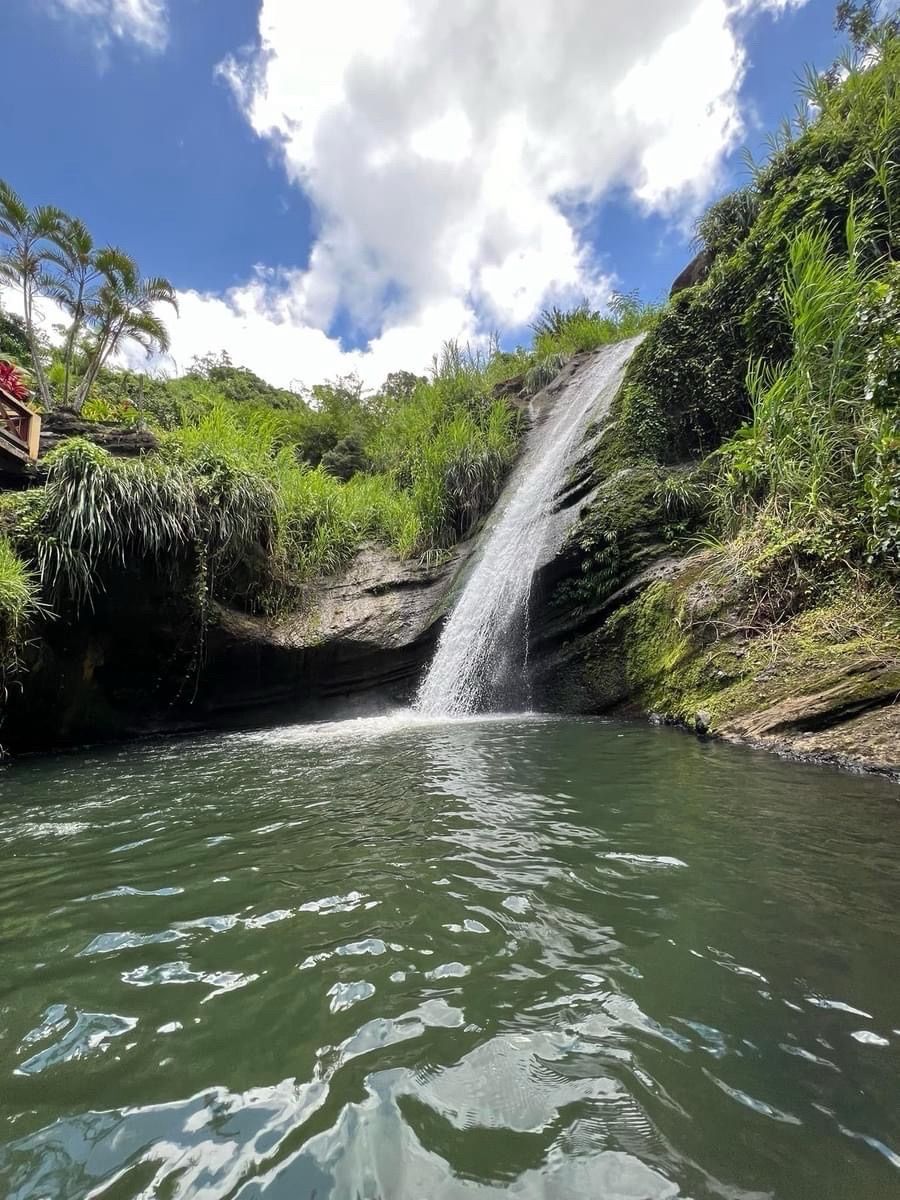
I wrote about my own first trip there in Discovering Grenada: My Birthday Adventure. If you want help planning your own stay, you can browse Grenada stays and tours in my travel shop.
Verdict: Choose Grenada for a quieter, slower-paced beach stay, after confirming transport beyond your base.
7. Tobago: best Caribbean island for nature-focused outings
Tobago fits a shortlist built around nature and quiet beaches rather than nightlife or shopping. Pigeon Point is the common beach reference point, and the island's rainforest interior supports hiking and birdwatching outings most other islands here don't offer.
Treat nature outings like any other activity: check the route, the guide or operator, and your own experience level before committing to a hike or reserve visit.
Tobago pros:
- Pigeon Point gives a defined, well-known beach base.
- Rainforest and birdwatching trails add outings beyond the beach.
- A quieter pace suits a rest-and-nature trip over a busy itinerary.
Tobago cons:
- Fewer tourist services and nightlife options than larger islands.
- Inland outings require more planning around routes and guides.
- Some beaches and trails sit a real distance from common accommodation areas.
Best for: A traveler who wants quiet beaches paired with nature-based outings.
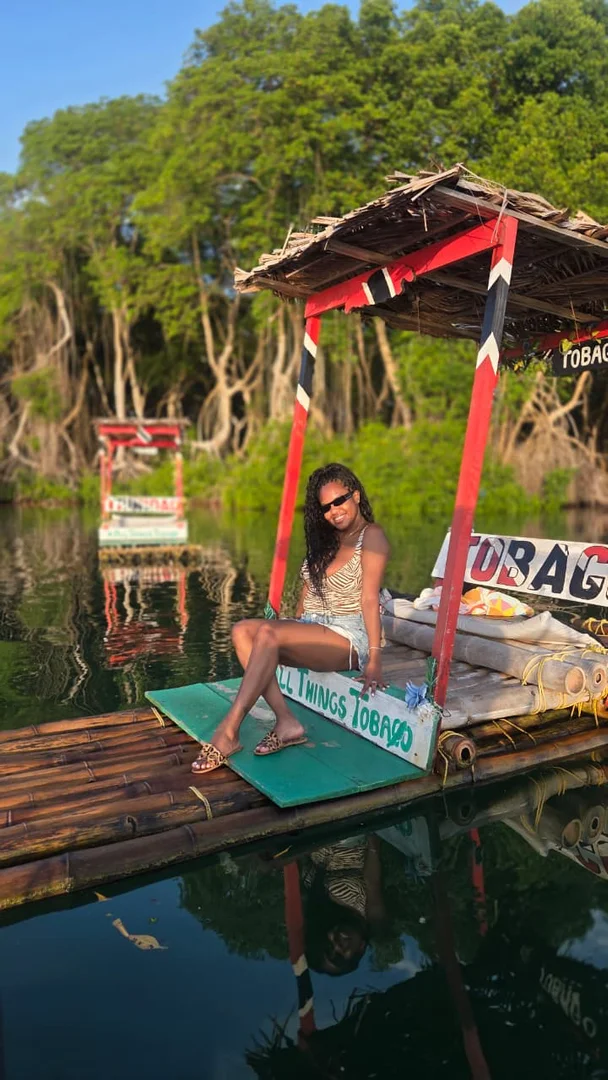
Trinidad is where I grew up, and Tobago has always felt like part of home too. If you want to plan a trip of your own, you can browse Tobago stays and tours in my travel shop.
Verdict: Choose Tobago for a nature-and-beach trip, with a guide arranged for any inland excursion.
How I ranked these islands
This 2026 shortlist ranks itinerary fit using the criteria above: a manageable base, transport, activity suitability, weather awareness, access to help, and current guidance. It does not assign crime scores or claim a statistically safest destination.
Aruba comes first because the recommendation is specifically a beach-centered first trip. Barbados, Grand Cayman, Curaçao, Bonaire, Grenada, and Tobago each answer a different travel preference—not a descending scale of personal safety.
Hellolesliecreative’s Caribbean travel recommendation is Aruba for a first solo beach itinerary, with current safety checks and planned transport.
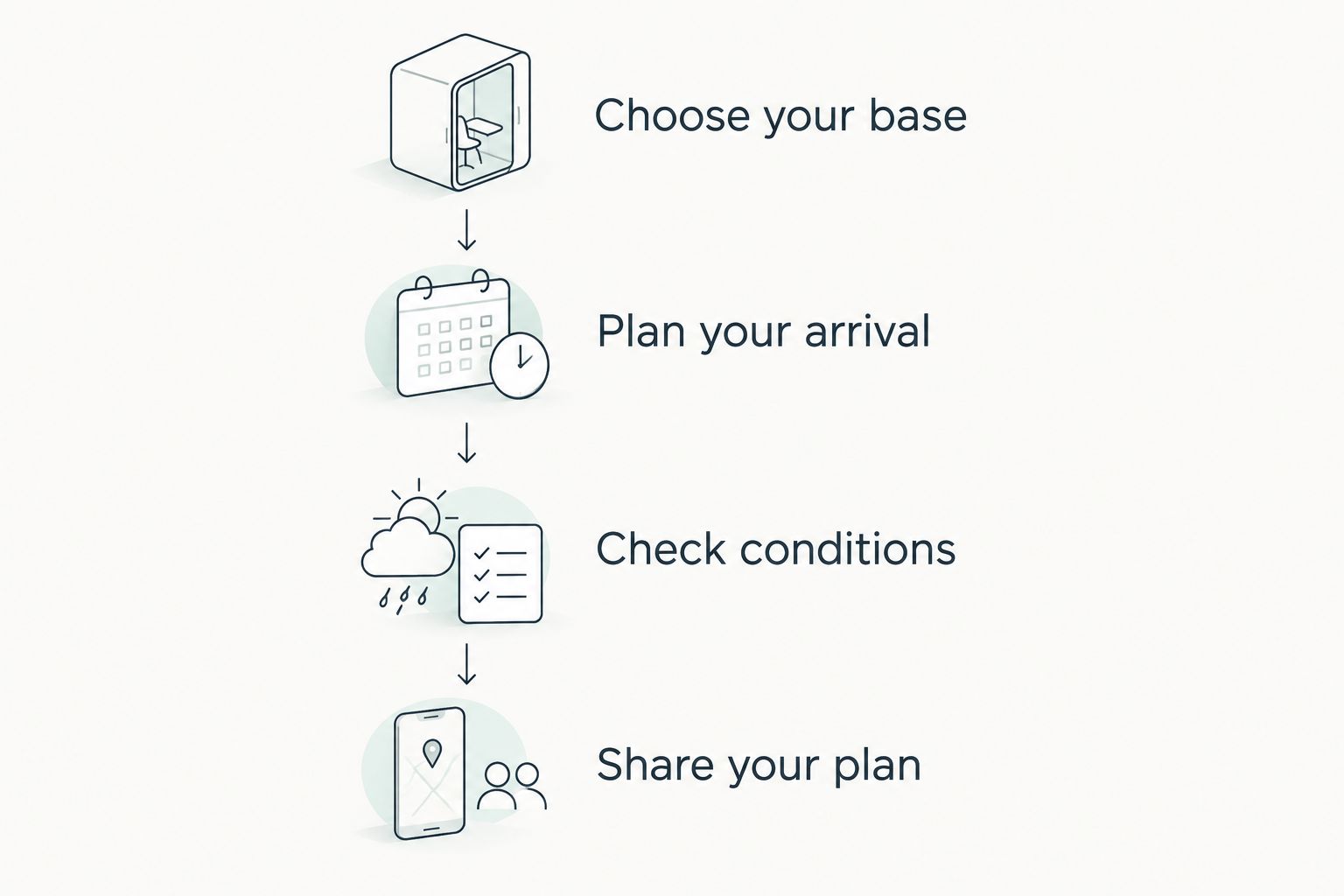
Before you book: make a small arrival plan
Give this exercise 10 minutes. The aim is not to anticipate every problem; it is to remove avoidable uncertainty from your arrival.
- Choose your base. Check the surrounding area and the journeys your ordinary day requires.
- Plan your arrival. Confirm how you'll reach the accommodation and what to do if your flight is delayed.
- Check conditions. Review official travel guidance, local weather, and relevant beach or marine notices.
- Share your plan. Give a trusted person your accommodation details and an agreed check-in arrangement.
For a 2026 trip, remember that the Atlantic hurricane season runs from June 1 through November 30. Aruba, Bonaire, and Curaçao sit south of the main hurricane belt, but that geography is not a guarantee against storm effects or disrupted travel.
Then spend 5 minutes with this prompt: What would let me rest on this trip, and what am I adding only because I think I should? Keep the answer practical. It might change your base, your transport plan, or the number of outings you arrange.
Which Caribbean island should you choose?
Start with Aruba if you're undecided and want a first solo beach holiday. Choose Barbados for cultural outings, Grand Cayman for a west-coast base, Curaçao for separate town-and-beach days, Bonaire for an experienced, supported water-focused trip, Grenada for a quieter and slower-paced stay, or Tobago for nature-focused outings and quiet beaches.
Before making that choice final in 2026, check the destination's current official advisory and your accommodation's exact location. Then check the journeys—not just the island name.
FAQ
What's the safest Caribbean island for a woman traveling alone?
No island is safe in every location or circumstance. Aruba is this guide's first planning choice for a solo beach holiday, but current official advice, accommodation location, transport, and activity choices still need checking.
Is Aruba safer than Barbados?
This guide does not establish that Aruba is safer than Barbados. Choose Aruba for a beach-first itinerary or Barbados for beaches with cultural outings, then compare current official guidance and your specific plans.
Which Caribbean island is best for my first solo trip?
Aruba is the default choice here for a first solo beach trip. Investigate Palm Beach or Eagle Beach as possible bases, and confirm your arrival transfer and everyday journeys before booking.
When is hurricane season in the Caribbean?
The Atlantic hurricane season runs from June 1 through November 30. Check forecasts and your travel insurance terms for your exact dates; traveling outside that season does not remove every weather risk.
Are Aruba, Bonaire, and Curaçao hurricane-free?
Aruba, Bonaire, and Curaçao are not guaranteed hurricane-free. They sit south of the main hurricane belt, but storms can still affect weather, sea conditions, and travel.
Should I rent a car for a solo Caribbean trip?
Rent a car only if your itinerary calls for it and you are comfortable with local driving requirements. Compare the actual journeys from your accommodation with arranged transfers and excursions before deciding.
Is it safe to snorkel alone in Bonaire?
Do not treat solo snorkeling in unfamiliar conditions as safe simply because you are in Bonaire. Arrange suitable local guidance and support, assess entry and exit conditions, and stay within your experience.
One last thing
Choose your first evening before you choose your excursions. Knowing how you'll arrive, eat, and settle in is a useful foundation for everything else.
Here at Hellolesliecreative, I want to leave you with a gentler question: What kind of trip can I enjoy without performing bravery? You can choose rest, ask for help, and still call this your own adventure.